
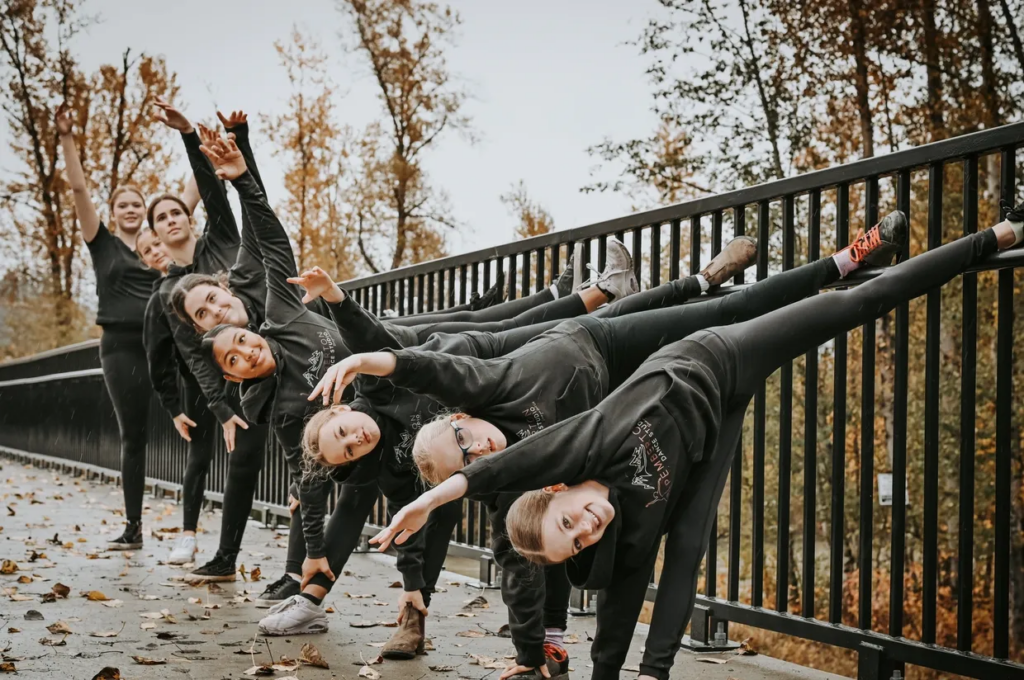

Dance is more than just movement; it is a way to express yourself, connect with others, and build important life skills. For those passionate about dance, joining a competitive dance team can provide opportunities that go beyond learning steps and routines. A competitive dance team not only helps you improve your dance skills but also builds confidence, discipline, and teamwork. In this article, we will explore how being part of a competitive dance team can enhance your abilities and personal growth.
Improving Dance Skills Through Consistent Practice
One of the most obvious benefits of joining a competitive dance team is the improvement in dance skills. Unlike casual dance classes, a competitive dance team focuses on advanced techniques, precise movements, and performance quality. Members practice regularly, often multiple times a week, which allows them to refine their technique and learn more complex choreography. Being surrounded by other skilled dancers provides motivation to push your limits and try new styles, helping you become a more versatile dancer. Over time, this consistent practice leads to noticeable improvement in both technical ability and stage presence.
Building Confidence on and off the Stage
Confidence is a key benefit of joining a competitive dance team. Performing in front of judges and audiences can be intimidating at first, but with practice, dancers learn to manage nerves and present themselves with assurance. This confidence is not limited to dance alone; it often transfers to other areas of life, such as school presentations, social interactions, and public speaking. Being recognized for your hard work and seeing progress in your skills also boosts self-esteem. The supportive environment of a competitive dance team encourages dancers to celebrate their achievements while learning from mistakes, fostering a positive and resilient mindset.
Developing Teamwork and Social Skills
A competitive dance team emphasizes collaboration. Dance routines often require synchronization and coordination with other team members, teaching dancers the importance of working together toward a common goal. This experience enhances communication, problem-solving, and adaptability skills. Team members support and motivate each other, creating strong bonds and a sense of belonging. These social skills are valuable not only in dance but also in everyday life, as they help dancers navigate group dynamics, handle challenges, and develop meaningful relationships.
Encouraging Discipline and Time Management
Being part of a competitive dance team requires dedication and discipline. Dancers must attend practices, memorize choreography, and maintain physical fitness to perform at their best. This commitment teaches time management and responsibility, as dancers balance school, work, or other activities alongside their dance schedule. The discipline learned on a competitive dance team often extends beyond the studio, helping individuals stay organized and focused in different areas of life.
Experiencing Personal Growth and Goal Achievement
Joining a competitive dance team offers a clear path for setting and achieving goals. From mastering a challenging routine to winning a competition, dancers learn the value of hard work and perseverance. Overcoming challenges, such as learning new techniques or performing under pressure, builds resilience and determination. This personal growth contributes to a stronger sense of self and the confidence to tackle future challenges, both in dance and in life.
Exploring Opportunities for Performance and Recognition
Competitive dance teams often participate in regional, national, or even international competitions. These events provide dancers with opportunities to perform on stage, receive feedback from professional judges, and gain recognition for their efforts. Exposure to different audiences and dance styles broadens a dancer’s experience and can inspire creativity and innovation. Recognition and awards also validate the time and effort invested in dance, boosting motivation and self-confidence.
Conclusion
Joining a competitive dance team is more than just an opportunity to dance; it is a chance to grow as an individual. Through regular practice, performance, teamwork, and goal setting, dancers develop confidence, discipline, and essential life skills. The experience of being part of a competitive dance team helps individuals not only become better dancers but also more self-assured, resilient, and socially capable. For anyone passionate about dance and personal growth, joining a competitive dance team can be a life-changing experience that leaves a lasting impact.