
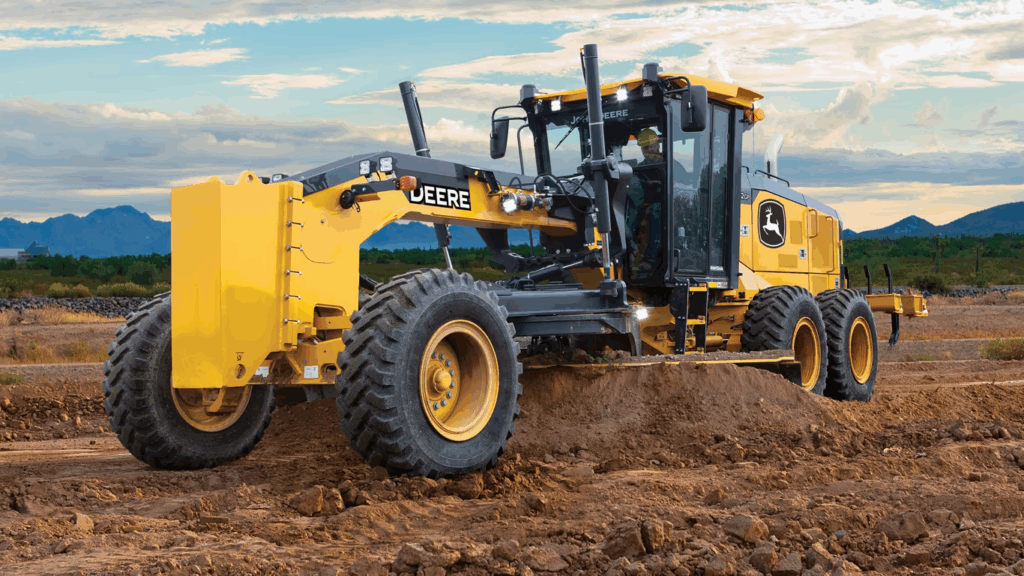

In the construction industry, efficiency and accuracy are crucial for completing projects on time and within budget. One way to achieve both is by using advanced machinery designed for specific tasks. Precision grading equipment is one such technology that can significantly improve the way construction sites operate. This article will explore how this equipment works, its benefits, and how it can transform your construction projects.
What Is Precision Grading Equipment?
Precision grading equipment refers to specialized machinery designed to level and shape land accurately according to project specifications. Unlike traditional grading methods, which rely heavily on manual labor and basic machinery, precision grading equipment uses advanced technology, including GPS and laser systems, to achieve highly accurate results. This ensures that the land is prepared exactly as planned, reducing errors and saving time.
Improved Accuracy and Consistency
One of the main advantages of precision grading equipment is its ability to deliver consistent results across a construction site. With traditional grading, human error or uneven equipment performance can lead to uneven surfaces or areas that require rework. Precision grading equipment minimizes these risks by following precise measurements and programmed instructions. This accuracy not only ensures a level foundation but also reduces the need for adjustments later in the construction process.
Faster Project Completion
Time is always a critical factor in construction projects. Using precision grading equipment can speed up site preparation by automating many of the tasks that would otherwise take longer with conventional methods. The equipment can handle large areas quickly, reduce the number of passes needed to achieve the desired grade, and allow other construction activities to start sooner. Faster grading means that the overall project timeline can be shortened, helping contractors meet deadlines more efficiently.
Cost Savings on Labor and Materials
Precision grading equipment can also contribute to cost savings. By reducing the amount of manual labor required, construction companies can allocate their workforce more effectively and lower labor costs. Additionally, the accuracy of this equipment reduces the waste of materials caused by overgrading or undergrading. With less rework and fewer mistakes, construction projects can remain more cost-effective while maintaining high-quality standards.
Enhanced Safety on the Construction Site
Safety is another important benefit of using precision grading equipment. Traditional grading methods may require workers to operate in hazardous conditions, such as steep slopes or unstable soil. Automation and remote control capabilities in modern grading equipment allow operators to work from safer positions, reducing the risk of accidents and injuries. Safer work environments contribute to better overall efficiency because fewer delays occur due to safety incidents.
Versatility for Different Construction Needs
Precision grading equipment is versatile and can be used in a variety of construction projects, from road building and residential developments to large commercial sites. Its adaptability means that contractors can use the same equipment for different types of grading tasks, making it a valuable investment. Whether the project requires fine grading for landscaping or heavy grading for building foundations, this equipment can deliver precise results every time.
Conclusion
In modern construction, efficiency, accuracy, and safety are key priorities. Precision grading equipment addresses all these needs by providing reliable, fast, and accurate land grading solutions. It reduces labor costs, saves materials, speeds up project timelines, and enhances safety on the construction site. For anyone looking to improve the performance of their construction projects, investing in precision grading equipment is a smart choice that can lead to better outcomes and more efficient operations.